By Suzanne Potter
The Public Utilities Commission of Nevada will hold its annual general consumer session at 1:30 p.m. Tuesday at the PUCN building in Las Vegas.
Kristee Watson, executive director of the Nevada Conservation League said she plans to ask commissioners to oppose NV Energy’s 2026 Integrated Resource Plan, which proposes building three new methane-burning power plants to meet future demand from data centers.
“Within 20 years, we’re looking at 64% of the total electricity that NV Energy provides to the state could potentially be utilized by data centers if the number of data centers that want to come here get approved,” Watson said.
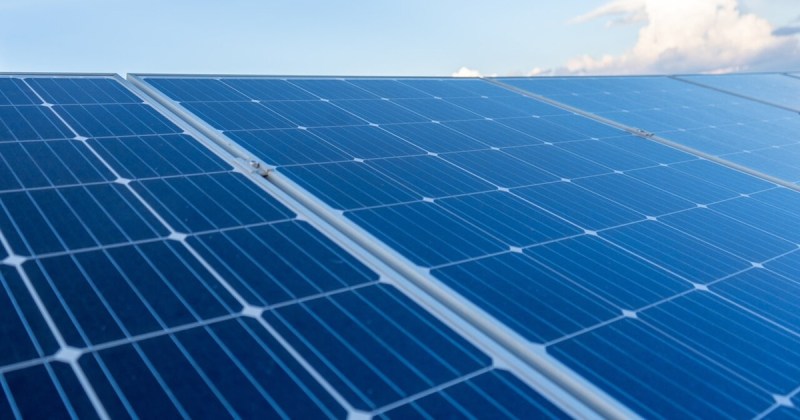
NV Energy also wants approval to add large solar arrays and battery storage facilities. Watson said the PUCN should make it easier for people to afford rooftop solar, which she said would be much less expensive than the $5 billion to $6 billion it would cost to build three new gas power plants.
Audrey Peral, program director for the nonprofit Chispa Nevada effort said the PUCN should make sure ratepayers do not get stuck with the bill for artificial intelligence-related infrastructure, because many working families are already strapped.
“We’ve seen three consecutive years of rate increases, and people are having to make decisions on whether they’re gonna pay their electricity bill or they’re gonna put food on the table,” Peral said. “It’s about taking their kids back to school shopping or keeping their lights on.”
In a statement, NV Energy said its plan calls for large-load customers to make long-term commitments and cover the cost of infrastructure.
The consumer session will not be livestreamed, but people can submit written comments through the commission website.