Since 2020, when the country was dealing with the worst of the COVID-19 pandemic, most Nevada voters have used mail ballots to cast their votes. It was so effective in ensuring everyone had the opportunity to vote that, in 2021, lawmakers passed legislation requiring all active registered voters automatically receive a mail ballot for every election unless they opt out.
If you’re voting for the first time by mail in Nevada—or need a refresher—keep reading.
Things to know
County election officials begin mailing ballots to active registered voters 20 days before Election Day, with most in-state voters receiving them between Oct. 5 and Oct. 12.
Voters who register or update their registration after ballots begin going out are mailed a ballot no later than 13 days before Election Day.
If you do not receive your mail ballot by the start of early voting and you have not opted out, contact your county election office. Early voting runs from Saturday, Oct. 17, through Friday, Oct. 30.
So you’ve received your ballot in the mail. Now what?
DO:
- Double check it’s yours and your information—name, address, and party affiliation—is correct.
- Follow the instructions on the ballot.
- Make sure you use a black pen to fill in the bubbles.
- Sign the back of the envelope (important!).
- Fold your completed ballot into the postage-paid return envelope provided specifically for you, showing your name and address.
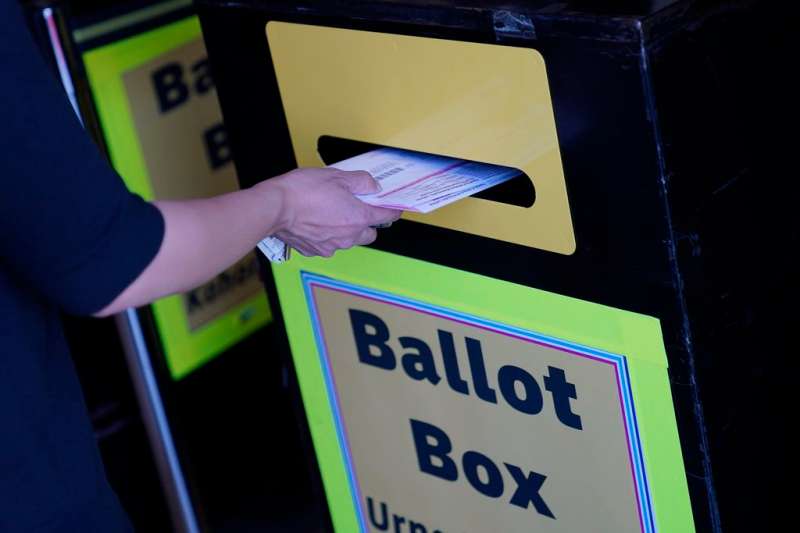
- Send it either by USPS—postmarked on or before Election Day, Tuesday, Nov. 3—or drop it off in a mail ballot drop-off box at a voting site. Ballots mailed on time must arrive by 5 p.m. Friday, Nov. 7, to be counted.
- Check your ballot’s status at MyBallot.NV.gov to confirm the election department has received it and it’s being processed. You can also check if your ballot needs to be “cured” here.
What does it mean to cure your ballot?
Some mail ballots might be flagged, or rejected, if they are missing a signature or the automated system couldn’t read the signature. That’s why it’s so important to include your signature, and to do so in the neatest way possible.
Flagged ballots will have to be “cured” before being tabulated, meaningyour signature and identity must be verified.
If your ballot is flagged because your signature is missing or does not match election records, you’ll be contacted by election officials so you can “cure” your ballot. Nevada law gives voters until 5 p.m. on the sixth day after Election Day to resolve signature issues so their ballots can be counted.
DON’T:
- Vote twice. This might seem obvious, but every American gets one vote. Voting in person and by mail (or if you received two mail ballots) will not make your vote count twice—it is a felony.
- Use third-party organizations to return your ballot. This had previously been illegal, but the passage of AB 321 in 2021 made it legal to collect ballots for others. Although Nevada law allows another person to return your ballot, election officials generally encourage voters to return their own ballots whenever possible. Even if organizations have the right intention, the concerns and risks of voter coercion and inability to guarantee that ballots make it to the drop-off box are too high.
- Fill out a ballot that isn’t yours. If you get a mail ballot meant for a previous tenant that once lived where you live, you can notify your county clerk by submitting a residence discrepancy report.
“You’ve got mail, or not…”
As long as you register to vote two weeks before Election Day and you haven’t opted out, you can expect to automatically receive a mail ballot.
If you decide that you do not want a mail ballot, you can opt out either online by updating your voter information and preferences, or by printing, completing, and mailing a “mail ballot preference form” to the county election department. You must submit the request no later than 60 days before Election Day. That’s Sept. 4.
If you get a mail ballot but decide it would be more meaningful or convenient for you to vote in person, you can surrender the mail ballot when you go to the voting site. It’s not required to surrender your mail ballot, but you will have to sign an affirmation that you are not voting more than once in the same election.
Inactive voters are not sent mail ballots. You may become an “inactive” voter if the Postal Service notifies the election department that a voter has moved and the address was not updated within 30 days.
Inactive voters may still vote in person at any of the state’s voting sites early or on Election Day. Poll workers will then ask for an updated address to become “active” again. You can check your voter status online.