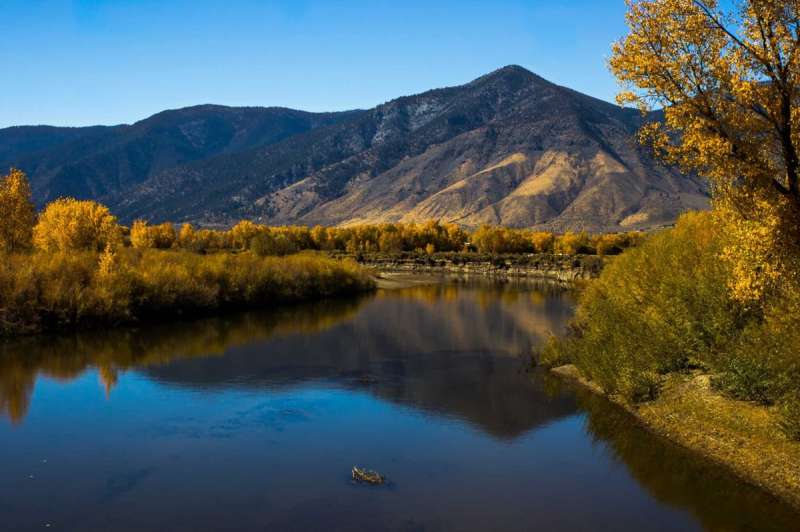
Nevada’s newest state park is already generating buzz, and it doesn’t even have a name.
Yet.
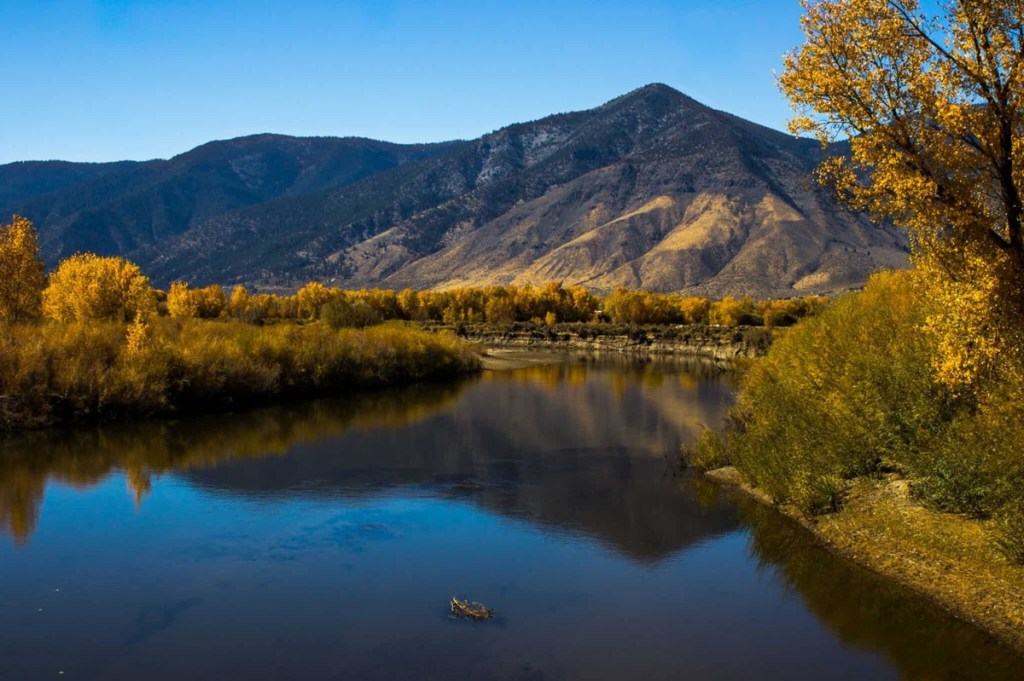
It’s down to the wire to pick the name of the new state park, located on 1,627 acres along a 4.5-mile stretch of the Carson River near Dayton. Once traversed by indigenous tribes, westward pioneers, ranchers, and aspiring divorcees, the arid Great Basin Desert land is about 34 miles southeast of Reno and five miles east of Dayton State Park.
The public submitted name ideas to the Nevada Division of State Parks last month, and an internal committee narrowed the 2,500 suggestions to five finalists based on what they felt best reflected the park’s significance, history, and character. The competing names are as follows:
- Carson River Ranches State Park
- Cottonwood Trails State Park
- Crossroads Canyon State Park
- Heritage Canyon State Park
- River’s Edge State Park
Nevada State Parks Administrator Jonathan Brunjes described the vote as “a unique opportunity for Nevadans to leave a lasting mark on the future of their State Park system,” in a press release.
The public is invited to vote for the name online until Aug. 14. The winning name will be announced during an official ceremony in the fall.
In the meantime, here’s everything we know so far about Nevada’s newest state park.
This will be Nevada’s 28th state park
The Nevada Division of State Parks currently oversees 27 state parks in the Silver State’s Tahoe, Western, Eastern, and Southern regions, including state parks, state historic sites, and state recreation areas. This will be the 28th.
Created in 1963, the division’s mission is “to develop and manage Nevada’s system of parks and recreation areas, contribute to a vibrant economy, and protect areas of scenic, historic, and scientific importance.”
The land was almost used for a housing development
Privately owned for more than 155 years, the land was proposed for residential development in 2006. Ultimately, the state decided to preserve the land and establish a master plan that may include trailheads, trails, access points, amenities, restrooms, and picnic areas.
The property was purchased in partnership with the land conservation nonprofit Western Rivers Conservancy, using a grant and federal funds from the Land and Water Conservation Fund and the Conserve Nevada Program.
According to the Nevada Independent, the state received a discounted rate of $5 million, down from $6.9 million, thanks to the previous landowner’s generosity.
Western Rivers Conservancy President Nelson Mathews told the press that his organization is grateful to play a role in providing Nevadans with new access to the Carson River. “Projects like this demonstrate that expanding outdoor recreation and conserving fish and wildlife habitat can go hand in hand,” he said.
It represents people, culture, and travel routes
Home to the Northern Paiute and Washoe peoples for many generations, the Carson River frontage was a corridor for westward migration in the mid-19th century. John C. Frémont’s expedition traversed the area in 1844, following the Carson River (which he named in honor of his guide Kit Carson) and exploring multiple river routes as he searched for a pass through the Sierra Nevada.
In the years to follow, the California Trail, Pony Express Trail, and the Carson and Colorado Railroad all passed through. By the 1870s, it was a hotbed for agriculture and ranching.
It was once a ranch for “divorce tourists” seeking the six-week-cure
Nevada’s new state park has another only-in-Nevada claim to fame.
During the 1940s and 1950s, it was said to be used as a divorce ranch, Break-A-Heart Ranch, due to its proximity to Reno, one of the country’s top divorce mills. Lax laws and a speedy six-week residency requirement drew “divorce tourists” from all over the country, earning Reno the nickname the “Divorce Capital of the World.”
The land was also a working cattle ranch and a testing ground for U.S. Army military vehicles.
The Carson River runs through it
With a picturesque setting along the banks of the Carson River and an historic bridge spanning the water, the new state park has many natural features, including a cottonwood forest, meadows, ranch lands, ponds, and sagebrush. Mule deer, bobcats, waterfowl, mountain lions, migratory songbirds, raptors, reptiles, and bats call the land home.
Cultural features include the California and Pony Express trails and ranching buildings, such as an early 1900s stone barn, a water well, a slaughterhouse, and a 1930s-era ranch house.
The state envisions day-use recreation opportunities such as hiking, biking, equestrian use, picnicking, and fishing for bass and catfish.
“This new State Park is an investment in Nevada’s future and a commitment to preserving the natural beauty that makes our state unique,” said Governor Joe Lombardo in a press release. “By protecting this remarkable landscape and expanding public access, we are ensuring that future generations of Nevadans and visitors alike can experience, explore, and appreciate this special place for years to come.”
It isn’t open yet, but it will be soon
Other than Fort Churchill Road, which passes through the park, the area is currently closed to the public. For updates and announcements, check the Nevada Division of State Parks site.
This article first appeared on Good Info News Wire and is republished here under a Creative Commons license.
Related: How will Reno-Sparks handle a predicted 600,000 population by 2044?