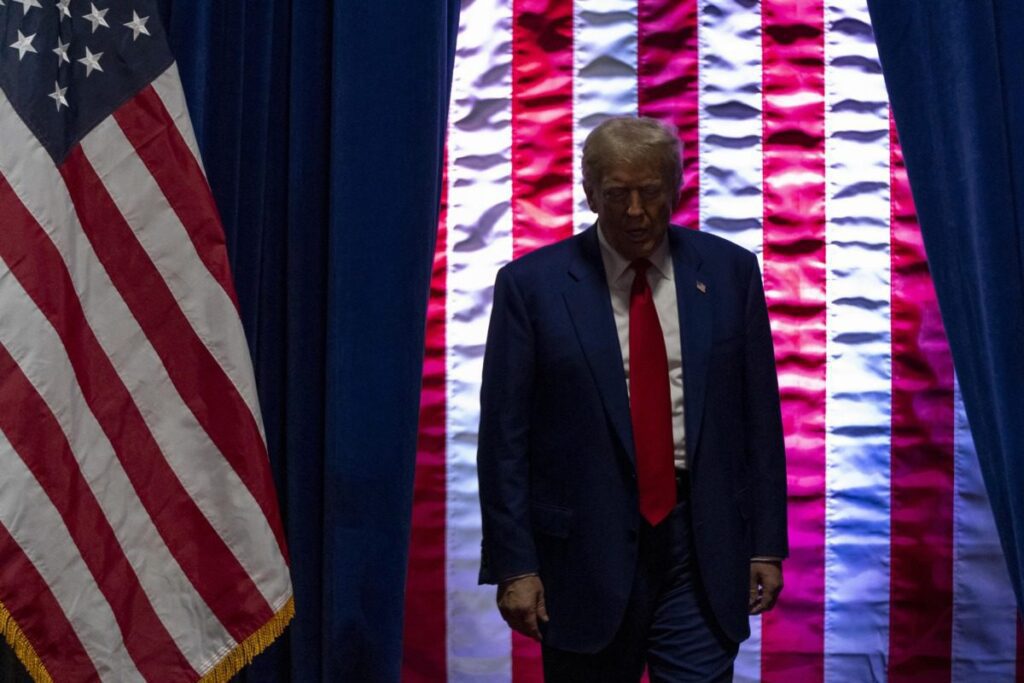
From the desert to the Strip: How the election’s fight over immigration may upend Nevada’s economy
the election's fight over immigration may upend Nevada's economy. Here's what you need to know.
the election's fight over immigration may upend Nevada's economy. Here's what you need to know.

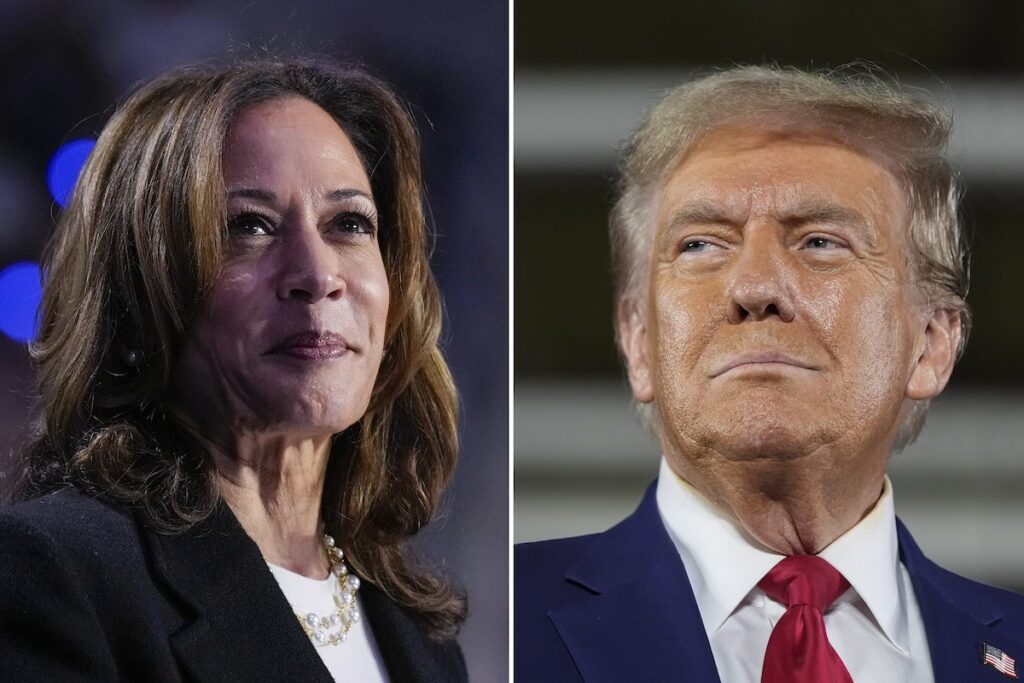
The proposal comes days before Election Day, as Vice President Kamala Harris affixes her presidential campaign to a promise of expanding women's health care access in the wake of the U.S. Supreme Court's decision to undo nationwide abortion rights two years ago.

During a weekend appearance in Pennsylvania, 78-year-old Republican presidential nominee Donald Trump spent 12 minutes rambling about golfer Arnold Palmer — including a bizarre aside about the size of Palmer’s genitalia.

Obama called on voters to make their voices heard and to elect a president who would work to solve problems and make their lives better, not seek to divide them.
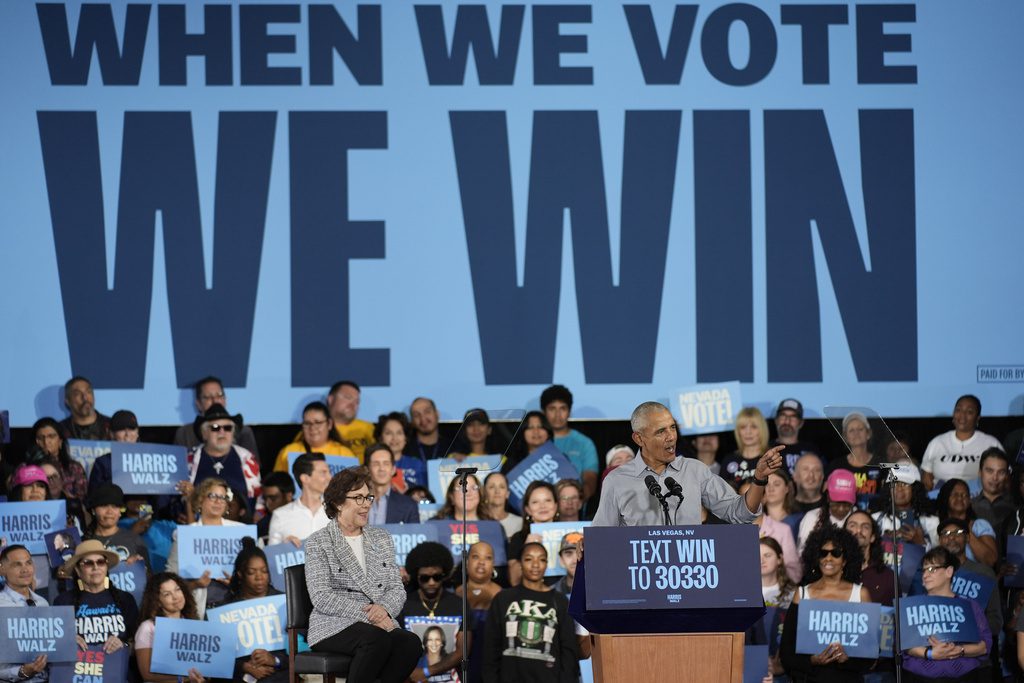
With early voting starting Oct. 19 in Nevada, elected officials and advocates aim to keep reproductive rights on top of mind and remind voters that Nevada’s abortion protections are not immune to a national ban.

Vice President Kamala Harris intends to support small business owners and entrepreneurs by reducing their expenses and increasing their access to capital. Trump’s tariff proposal, however, could cause small businesses’ costs to rise.
Trump’s proposed tariff of between 100% and 2,000% on foreign-made cars entering the US would raise prices on both domestic and imported cars and “likely send thousands of US workers to the unemployment line,” according to Howard Gleckman, a senior fellow in the Urban-Brookings Tax Policy Center at the Urban Institute.
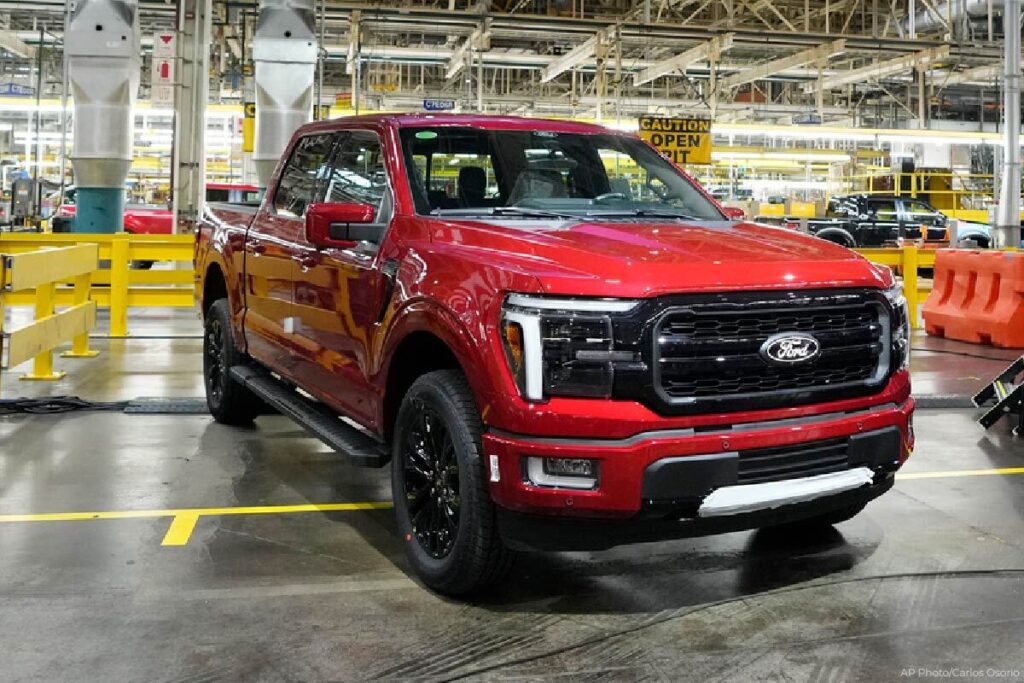
Trump’s plan would effectively be a sales tax that disproportionately harms working-class families and could cause a trade war that hurts US companies, economists say.
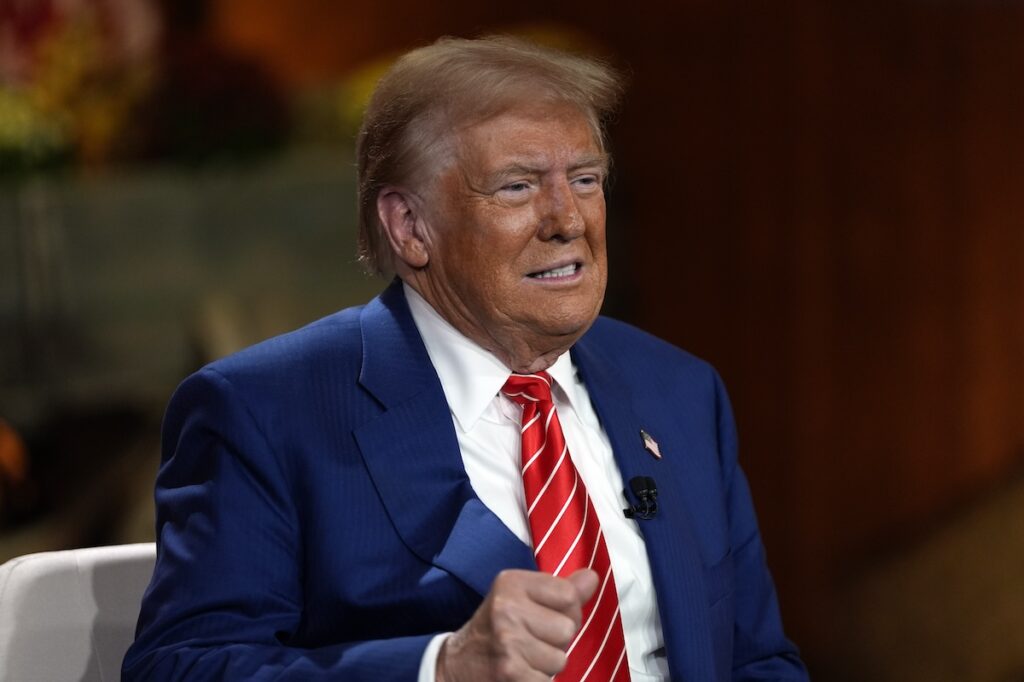
In response to the report, the Harris-Walz campaign released an analysis of its own, outlining how Trump’s agenda would raise costs for over 1.2 million Nevada households by an average of $3,954 per year.
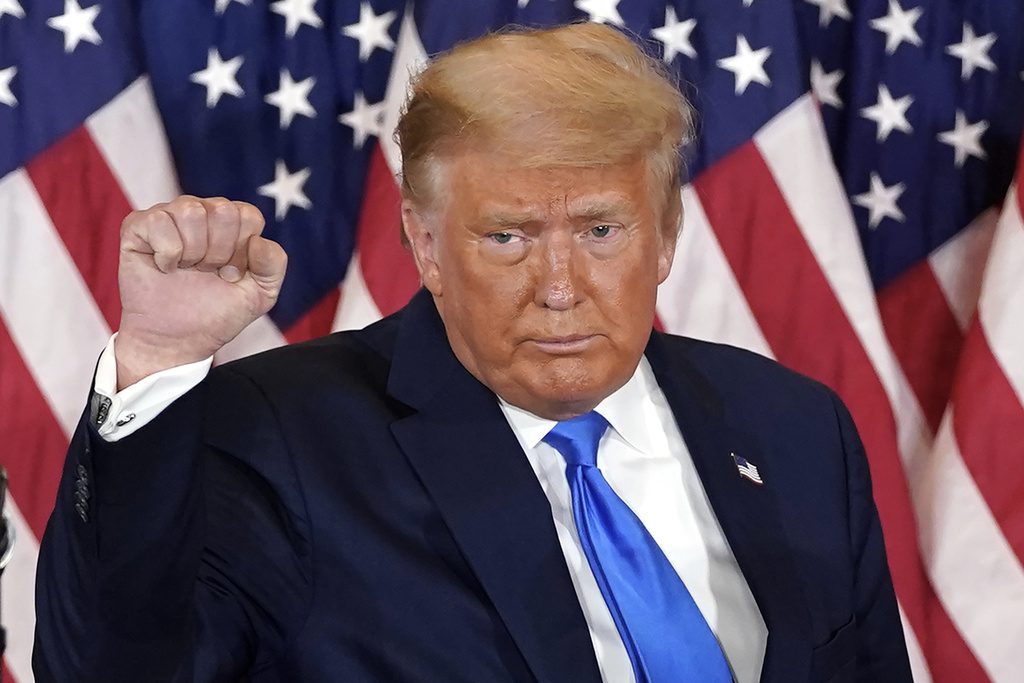
Donald Trump’s history of punishing disloyalty and Republicans’ amplification of conspiracy theories could undermine disaster relief efforts if Trump is elected to a second term in the White House.