By Brett McGinness, Reno Gazette Journal
Nevada skywatchers, what’s left on the agenda for 2026?
No eclipses for us, unfortunately. We’re about two decades away from seeing a solar eclipse in our neighborhood (Aug. 12, 2045. Clear your calendars). But we can expect four more meteor showers and two “supermoons,” and a pair of launches from southern California in the next few days, which may be visible in northwestern Nevada.
Here’s the rundown of space-related events to keep an eye on in the coming months, both in Nevada and beyond.
Space flights in late 2026
Northern Nevadans could spot SpaceX launches from Vandenberg Space Force Base in southern California this week. Two separate launches will release Starlink satellites; the first was on Monday, Oct. 26 and the second will be at 9:02 p.m. on Thursday, Oct. 29. Both will take place after sunset, which means the glow from the launch may be visible from northwestern Nevada (if weather cooperates).
After the launches, we often see the Starlink satellites themselves, which appear as a string of moving lights across the night sky.
2026 meteor showers above Nevada
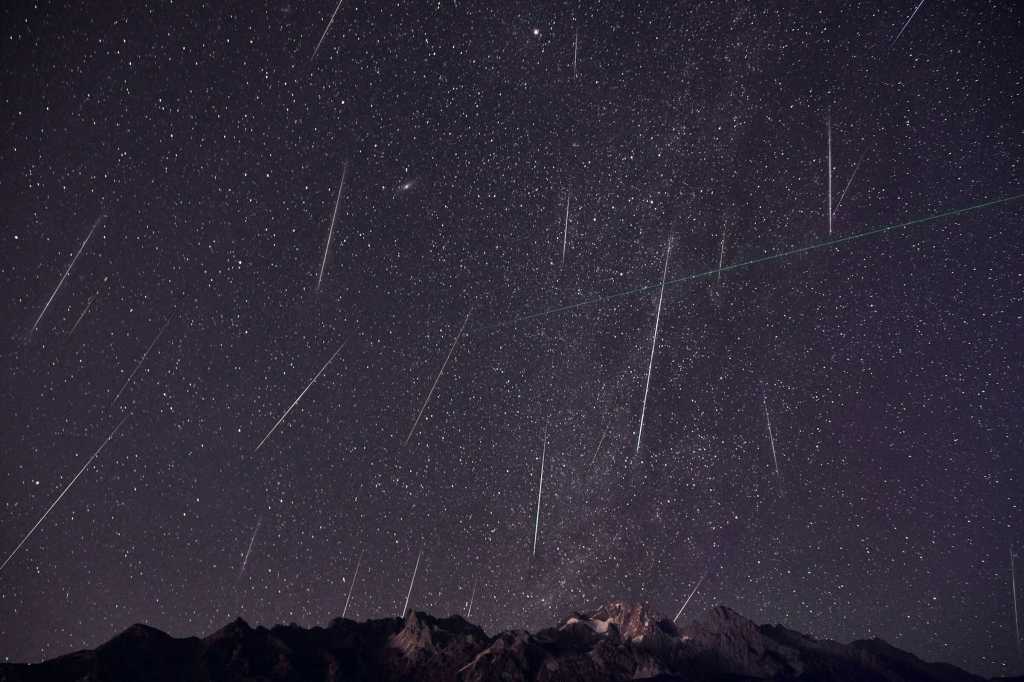
Cloudy weather in northwestern Nevada put a damper on the Orionids this year, but we still have four more showers to watch this fall and winter (including the Geminids, which won’t be competing with the light from a full moon). Below are the peaks of the four remaining meteor showers visible in the Northern Hemisphere this year, with their visual strength ratings courtesy of britannica.com:
- Nov. 11-12: Taurid meteor shower (weak)
- Nov. 16-17: Leonid meteor shower (irregular)
- Dec. 13-14: Geminid meteor shower (strong)
- Dec. 21-22: Ursid meteor shower (medium)
Dates for the remaining full moons of 2026
Astronomy isn’t quite cooperating with spooky season. The next full moon will rise this Tuesday and will be waning a bit by the time Halloween night rolls around.
Some astronomers consider November and December will have “supermoons,” when the moon’s orbit is closest to earth during a full moon (although there’s no strict definition as to how close the moon needs to be in order to be declared a supermoon).
Here are the dates for 2026’s remaining full moons:
- Nov. 24: Beaver Moon
- Dec. 23: Cold Moon
RELATED: Dispersed camping in Nevada: 5 unique spots to try
USA TODAY Network via Reuters Connect