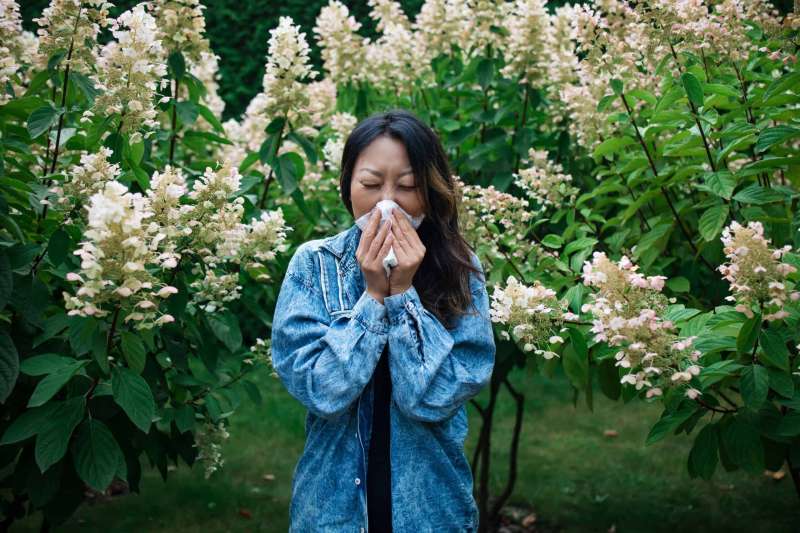
A combination of native and non-native plants, wind, and arid conditions means sneezing, stuffy noses, and itchy eyes for allergy sufferers in Nevada during spring.
Spring is in the air in Nevada, and you may want to stop and smell the flowers.
But when flowers are blooming, pollen counts are at their peak, making spring a challenging season for locals prone to hay fever and asthma. Nevada’s high pollen counts, coupled with dry conditions and windy days, are the perfect storm for allergy sufferers.
Both Southern and Northern Nevadans face hay fever and asthma symptoms due to plant pollen. A fine dust that carries genetic materials for reproductive purposes, it’s one of the most common triggers for allergic conditions, including allergic rhinitis, allergic asthma, allergic conjunctivitis, chronic sinusitis, eczema, and chronic cough.
Some of the plants that cause allergies in Nevada aren’t even native to the area, while many others are. Nevada’s own state flower, sagebrush, is a major culprit, causing symptoms for allergy sufferers well beyond spring. Tumbleweed, too.
Unfortunately, unpredictable weather patterns due to climate change may also exacerbate the problem. A 2022 Nature Communications study predicts that warmer end-of-the-century temperatures could cause the spring allergy season to start earlier and last longer.
Spring allergies in Southern Nevada
Las Vegas was ranked among the Top 40 worst US cities for allergies by the Asthma and Allergy Foundation of America (AAFA) in 2025, but dropped to No. 88 on the Allergy Capitals Report in 2026.
That decline may come as a surprise to Southern Nevadans in Las Vegas, Henderson, Mesquite, and Laughlin who suffer with hay fever symptoms such as sneezing, runny noses, congestion, sinus pressure, and red, itchy eyes, almost all year-round.
During the springtime in Southern Nevada, the main culprit for allergies is pollen from mulberry, olive, ash, and pine trees. Pollen from Bermuda grass, saltgrass, and other heat-resistant grasses wreaks havoc in summer. In the fall, the problem is weed pollens such as ragweed, sagebrush, and tumbleweed.
Breezy conditions in Southern Nevada help spread pollen from these plants across long distances. Adding fuel to the fire, Southern Nevada’s low humidity can dry out our nasal membranes, making them more prone to irritation.
Indoor allergens include mold spores, pet dander, and dust or debris.
Spring allergies in Northern Nevada
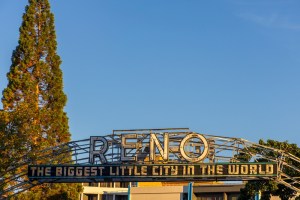
While Reno, Nev., was recently ranked the best city for indoor allergies, outdoor allergies are another story.
In the Reno and Carson City area, allergenic plants like juniper, pine, cottonwood, and birch trees are the main sources of pollen, as are sagebrush and native grasses. Grass pollens, such as ryegrass, bluegrass, Bermuda, prairie, and fescue, peak whenever the area gets rain, according to the AAFA 2026 Allergy Capitals Report.
Winnemucca, Elko, Battle Mountain, Carlin, and Ely have spring tree allergies from willow, maple, and juniper, according to the healthcare website Wyndly. These areas also have summer grass allergens and fall weed allergens.
Native versus non-native Nevada plants
Many people who move to the desert wrongly assume that less vegetation means fewer allergy triggers. Nevada is home to both native and non-native plants that cause allergies.
Allergenic non-native plants—those that don’t naturally exist in the desert—are often imported for landscaping.
“Many of the allergenic plants in this area were imported from other parts of the country or the world,” explains KNPR’s Desert Bloom. “If they weren’t brought in deliberately, then they hitchhiked on something and landed in this area.”
The Clark County Health District now bans certain plants due to their allergenic or invasive properties. The first to be banned were the fruiting olive tree and fruitless mulberry tree in 1991. Green/crimson fountain grass is also banned.
According to the Nevada Current, mulberry and olive trees are still “present in older parts of Las Vegas, where lower-income families tend to live,” while housing divisions built after 1991 “do not face the same swell of allergens.”
But as the University of Nevada Cooperative Extension reminds, “just because a plant is native doesn’t mean it is safe to use in the landscape.” Plenty of native plants, including jojoba, rabbit bush, sagebrush, and tumbleweed, are also allergenic.
What can you do about spring allergies?
If you are an allergy sufferer, there are some steps you can take to minimize your exposure to allergens at home:
- Track the pollen forecast with the Nevada Allergy Map from Pollen.com, which lists counts from low to high for trees, grass, and ragweed. It also lists the allergen levels of plants growing in the region during specific seasons and lets you search for information on specific plants.
- Check out the Southern Nevada Allergy Local Allergy Report for a five-day forecast, including overall air quality and grass, mold, ragweed, and tree pollen levels.
- Avoid going outdoors on high-pollen days or during peak pollen hours.
- Keep windows and doors closed.
- Use HEPA air purifiers.
- Wash bedding regularly.
- Wear a mask while gardening or cleaning.
- Be mindful of what plants you choose for your garden. Choose plants with both female and male flower parts or with large, sticky pollen grains. Colorful, fragrant flowers are usually less allergenic because they depend on pollinators (bees, butterflies, and birds) rather than the wind.
- Remove flowering weeds from your garden.
- Trim allergenic plants to prevent flowering.
- Shower after spending time outside.
- Wipe down or wash off your pets when they come inside, so they don’t track in allergens.
Local doctor Dr. Preethi Ravi told KTNV Las Vegas in March that recent weather fluctuations in Southern Nevada—record heat, followed by cooling down—have led many allergy sufferers to seek relief from medical professionals. He recommends trying over-the-counter antihistamines before going to the doctor. He also suggests staying hydrated and using a nasal saline rinse.
Leslie Baker, Pharm.D., BCGP, director of geriatric pharmacy services at the Sanford Center for Aging, recently told the Nevada Appeal that it’s best to start routine allergy medicines about two weeks before your symptoms begin. However, the doctor admits it may have been a challenge this year with trees and flowers blooming so much earlier than usual.
If OTC medicines don’t help, you may want to visit an allergy specialist.
This article first appeared on Good Info News Wire and is republished here under a Creative Commons license.
Related: Major drugmakers capped cost of asthma inhalers at $35 per month after investigation from Democrats