
Nevada heat demands more than cooling centers, lawmakers told
Despite Nevada having two of the fastest warming cities in the nation — Reno and Las Vegas — the state has taken the least action to protect the public from the impacts of climate change.

Despite Nevada having two of the fastest warming cities in the nation — Reno and Las Vegas — the state has taken the least action to protect the public from the impacts of climate change.
The proposal, which is confined to the north for now, is designed to stabilize energy bills, according to the utility, which wants to increase its rate of return to investors from 9.5% to 10.4%.

Nearly 1 in 3 Nevadans – 882,000 people – are covered by Medicaid, a joint state and federal program that provides health insurance for low-income individuals or those with disabilities.
If Southern Nevadans expect better customer service from NV Energy, they’ll have to pay for it. That’s the message from Public Utilities Commissioner Randy Brown, who led the charge to have ratepayers, rather than shareholders, foot the bill for the utility’s employee bonuses.
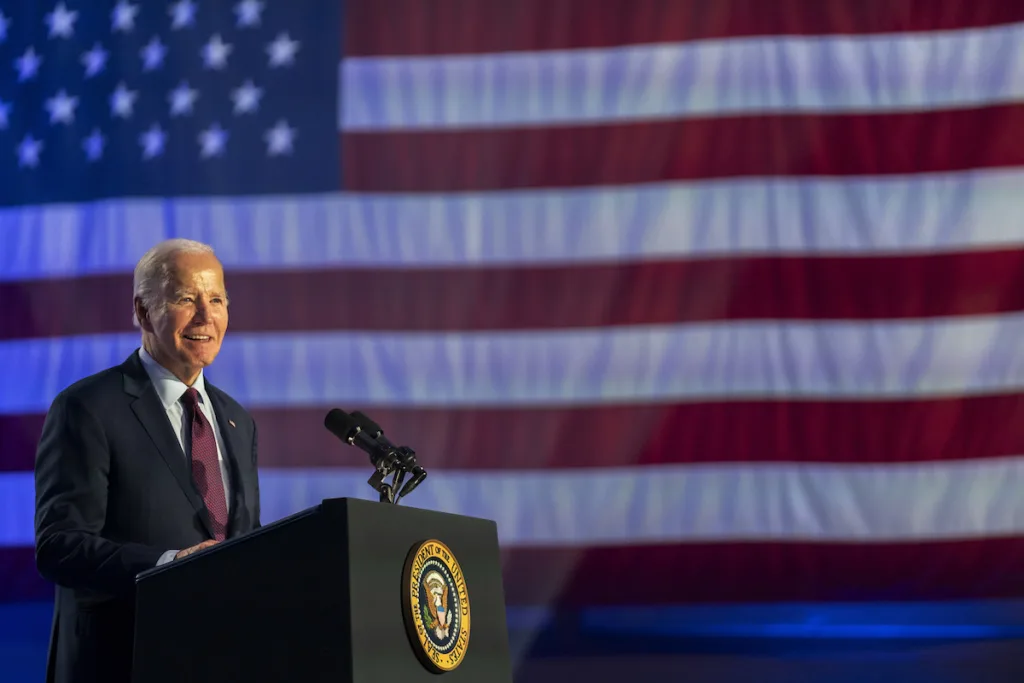
Biden made several campaign promises, including capping prescription drug prices for all consumers, banning assault weapons and high-capacity magazines, and removing every lead pipe in the country.
Learn more about resources available in Las Vegas for those who need them in the wake of the shooting at UNLV shooting on Dec. 6.

The state and insurance industry provided car owners with a lot of explanations, but little hope.

Nevada joined 12 other states in the IRS’ new direct and free filing pilot program for the 2024 tax season, the IRS announced last week. For states like Nevada that don’t have state income taxes, this means that taxpayers can file their returns for free if they meet the requirements.

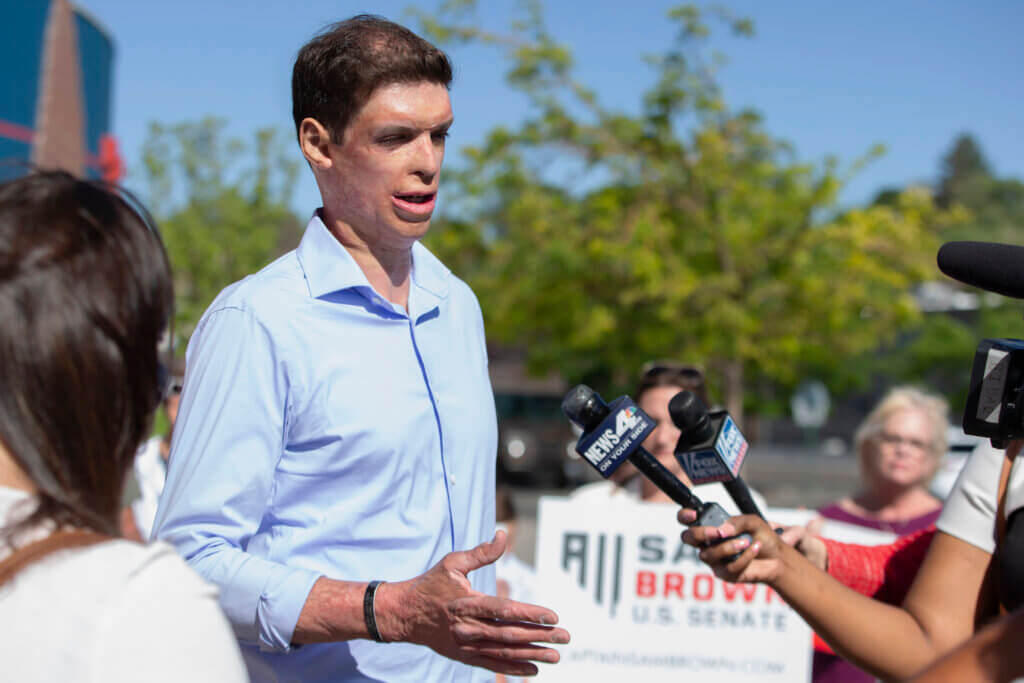
David Duffield over the past three months donated $2 million to Duty First Nevada, a super PAC founded by Brown, according to campaign finance reports submitted to the Federal Election Commission.
The company is seeking to raise rates by $61 million or 6.6% in Southern Nevada, where the average residential bill is slated to increase $8.14 a month, and $4.50 a month for apartments and condos.
