
Signal app on a smartphone is seen on a mobile device screen Tuesday, March 25, 2025, in Chicago. (AP Photo/Kiichiro Sato)
Even with robust public records laws in place, barriers still block lawyers and constituents from obtaining information from state agencies.
Nevada’s public records law is strong on paper, according to Jacob Valentine, a First Amendment staff attorney at the American Civil Liberties Union (ACLU) of Nevada. It requires government agencies to disclose documents unless they can prove why they should remain confidential.
In practice, accessing public records can be slow, expensive, and sometimes requires a lawsuit. This lack of availability weakens Nevada’s Public Records Act, advocates say. Agencies can take months to respond, redact information, or charge significant fees to produce information—barriers that can make transparency and accountability difficult and the government hard to understand.
“The Nevada Public Records Act favors disclosure and transparency over any form of redaction, let alone withholding of records,” Valentine said in an interview with The Nevadan-El Nevadense. “But time and time again, we see state agencies completely refusing to turn over records.”
The ACLU of Nevada has been engaged in legal battles with several agencies—including law enforcement, the Department of Motor Vehicles (DMV), and the Clark County School District (CCSD)—over access to public records. Disputes over access are common across agencies, Valentine noted, and lawsuits are often the only way to force compliance and uphold Nevada’s transparency law.
In 2025, the ACLU of Nevada filed multiple public records requests with the DMV, leading to a lawsuit over the agency’s withholding of information about its communications with the US Department of Homeland Security. A year later, the organization is still fighting for the full disclosure of the requested records.
In 2023, the organization sued CCSD for body camera footage and incident reports regarding the violent arrests of teenagers who were apprehended for recording school police in a neighborhood. The lawsuit resulted in the release of records and a $1 million settlement for the two students involved.
“If it weren’t for cases like this and other cases by other law firms challenging under the Nevada Public Records Act, I think the secrecy and hiding of information and avoidance of transparency would only increase,” Valentine said.
The tension between transparency and secrecy is perhaps felt most by families seeking answers after deadly police encounters.
Desiree Smith founded the Las Vegas police watchdog organization More Than A Hashtag at age 19 to help families hold police officers accountable and navigate the legal system when they experience the loss of a loved one to police violence.
One of the biggest hurdles, she said, is obtaining public records, such as police body camera footage and ballistics reports—a process that can take as long as a year. On top of that, families are often charged fees to access the records.
“The police usually tell them, you’re going to have to get a lawyer, or you’re going to have to pay all of these fees,” Smith said.
In one case cited by Smith, the mother of 19-year old Isaiah Williams was asked to pay about $300 for records of her son’s death. Police shot him 17 times while serving a search warrant for someone else at a home he was visiting overnight, according to Channel 8 News.
While families bear the cost, state officials say delays are largely tied to staffing and resources.
During a public forum hosted by the Nevada Black Legislative Caucus, Nevada Attorney General Aaron Ford—a Democrat running for governor this year—described the backlog his office faces. He said requests are processed in the order they are received, and limited personnel can slow responses.
Ford said fees, including those involving use-of-force records, reflect the labor needed to gather and review documents.
“We’re going to charge you, absolutely, for the overtime that they have to undertake in order to respond to your particular request,” he said. “Again, it’s not an issue of trying to be non-transparent. It’s a resource issue.”
Advocates like Smith argue that, regardless of staffing levels, the delays and costs often leave families struggling for answers and accountability.

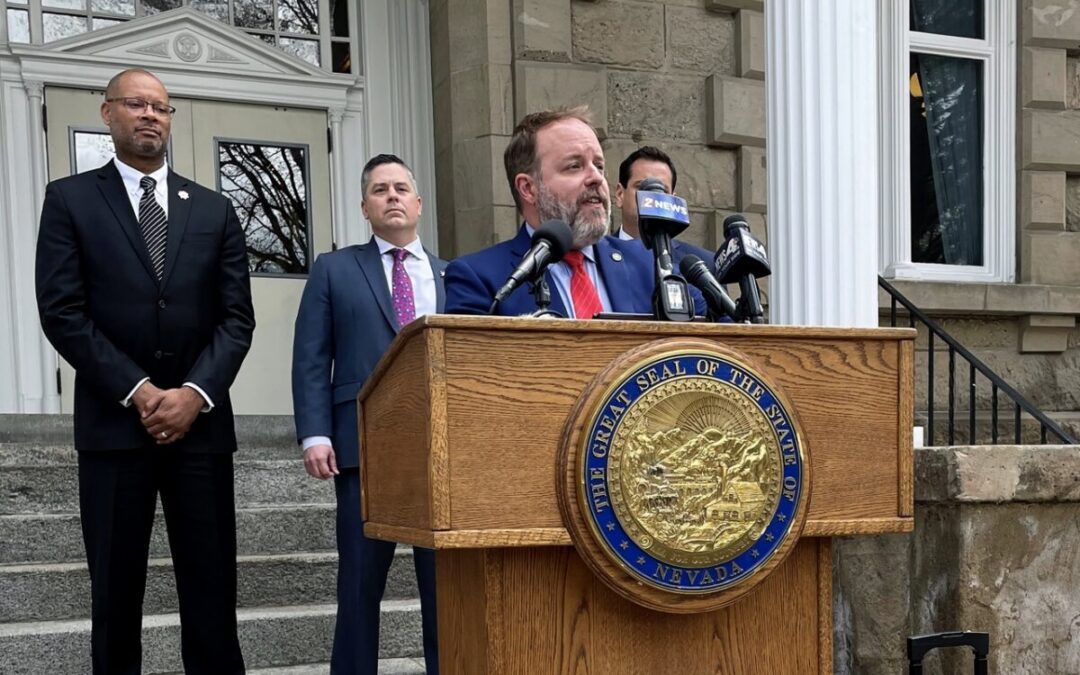
Nevada treasurer bills US for $2.1B after Trump tariffs struck down
By Mark Robison, Reno Gazette Journal Nevada State Treasurer Zach Conine sent a bill Friday to the federal government for $2.1 billion for a refund...

Nevada named among the worst places to drive in 2026
By Carly Sauvageau, Reno Gazette Journal Whether you’re trying to head to the North Valleys after 5 p.m. or make it out to USA Parkway during a...
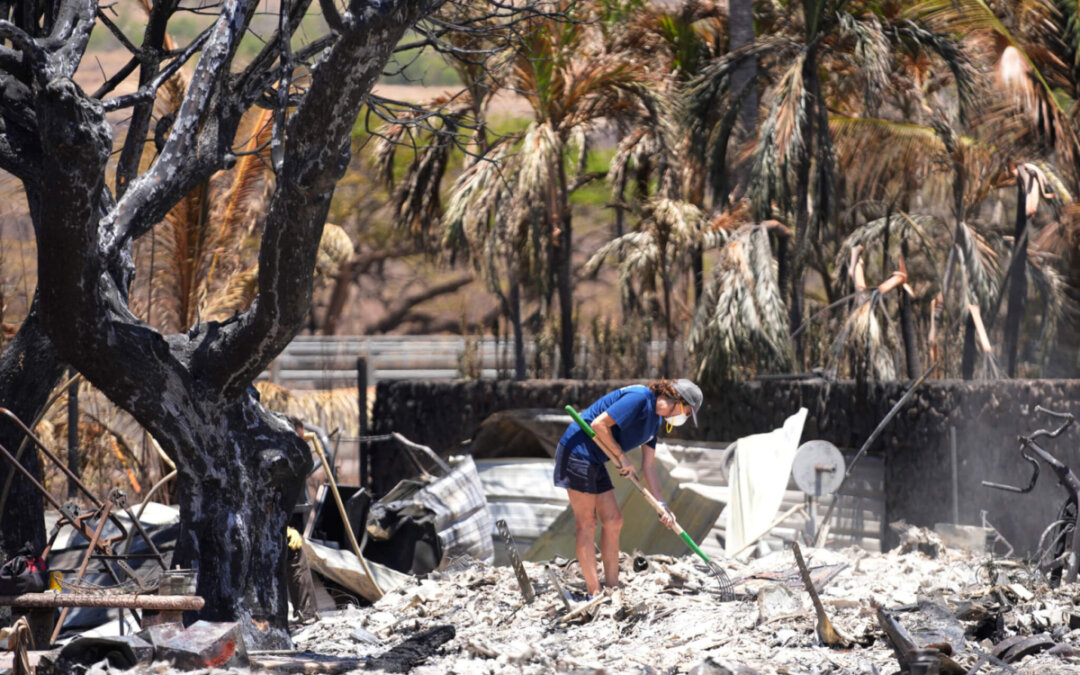
En Nevada, nueva ley permite seguros de vivienda sin cobertura contra incendios forestales
Este artículo fue publicado originalmente en inglés, escrito por Naoka Foreman, y traducido y adaptado al español por el equipo editorial de The...
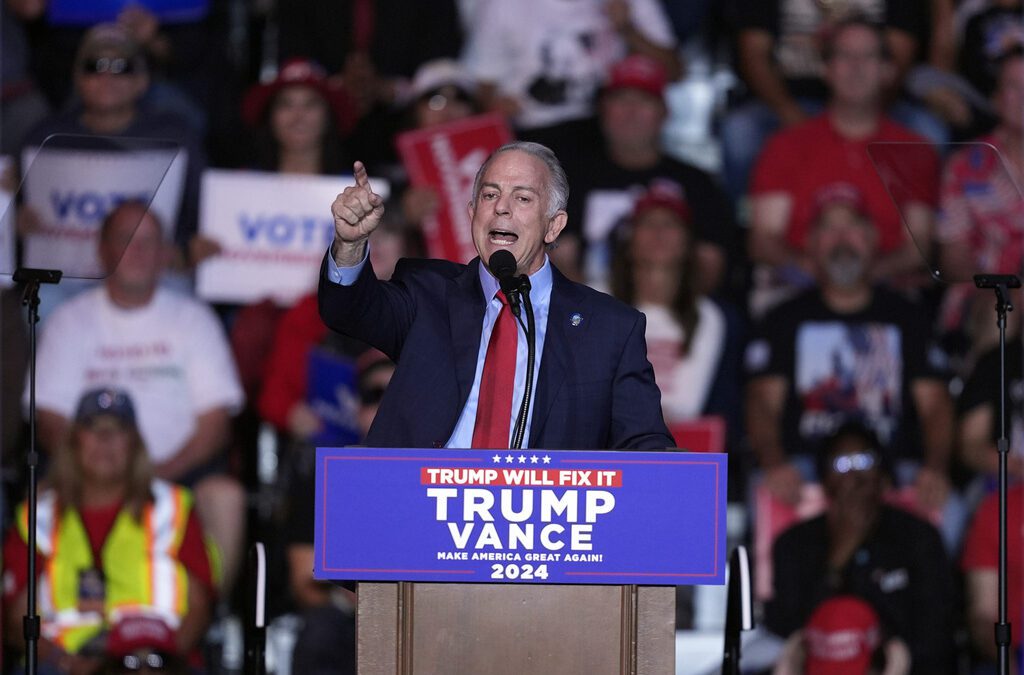
Elon Musk’s Boring Company evades millions in Nevada safety fines
Democratic lawmakers want the Clark County District Attorney's Office to investigate Lombardo’s alleged interference in health, safety, and...
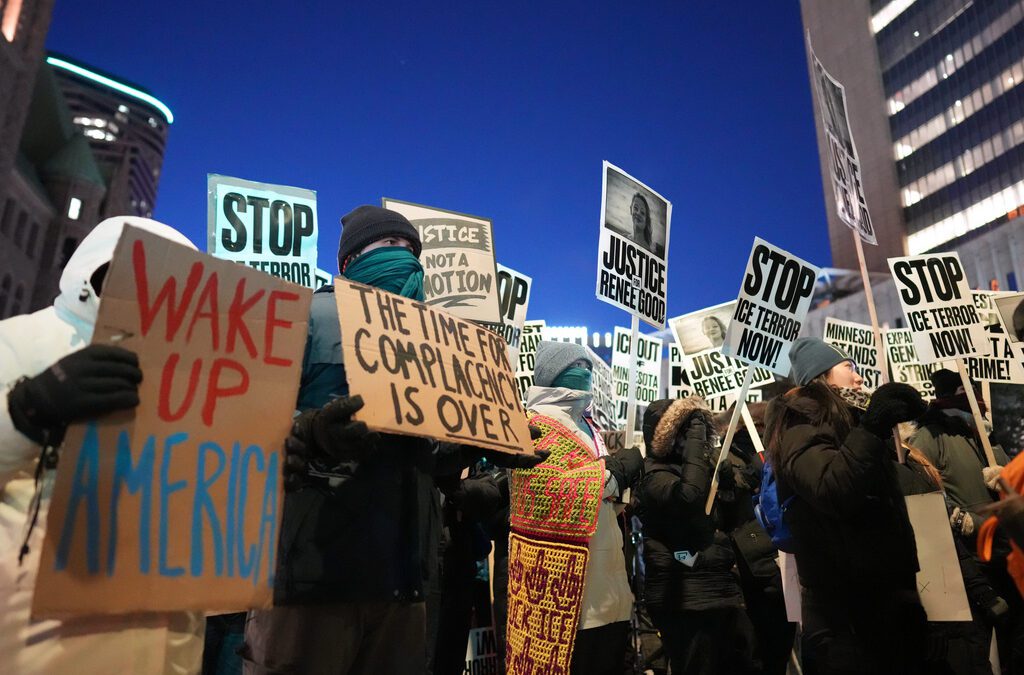
Oppose ICE? Here’s how you can take action
The moment we’re in The US Senate is currently deciding whether to approve new funding for the Department of Homeland Security (DHS), including...
Venezolanos en Nevada tienen posturas divididas sobre la salida de Maduro
El texto fue escrito originalmente en inglés por Naoka Foreman y publicado en The Nevadan. La versión en español fue editada, traducida y adaptada...