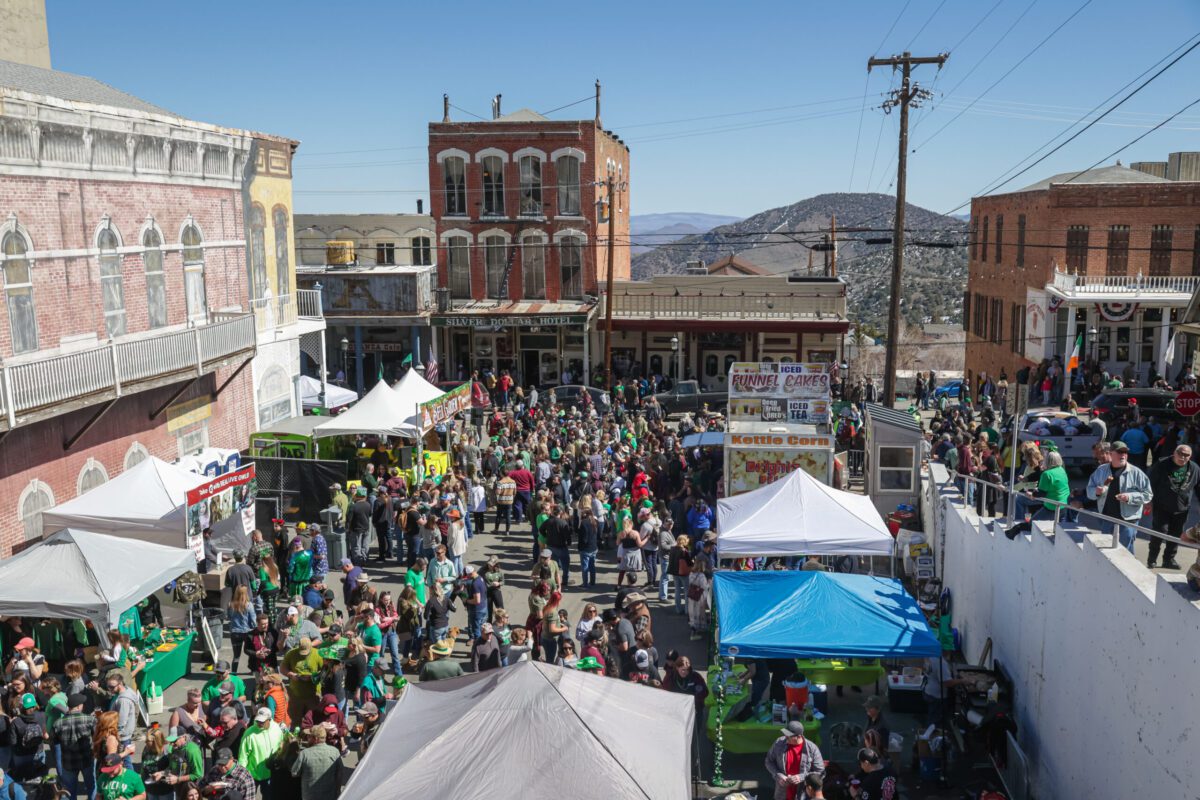
In Sept. 2020, the median home sale price in Nevada was $344,900. As of Sept. 2023, that figure had risen to $437,400, a nearly 27% increase, according to Redfin. In Las Vegas, the average cost of rent is $1,429 per month, up 30% from the beginning of the pandemic. (AP Photo/Andrew Harnik)
The Biden administration announced last week that it’s launching a multi-agency effort to ensure access to affordable housing, introducing a slew of resources to help convert high-vacancy commercial buildings to residential use.
The White House says these efforts are an attempt to create “much-needed housing that is affordable, energy efficient, near transit and good jobs, and reduce greenhouse gas emissions.”
Specifically, the administration is supporting the conversion of high-vacancy commercial buildings to residential use through new financing, technical assistance, and sale of federal properties. The goal is to create more affordable housing closer to transit in many communities across the country.
These efforts come as housing and rental prices have soared in recent years. Mortgage rates are nearing 8% and with steadily rising home prices and the lowest inventory of homes for sale in over a decade, the housing market is increasingly pricing out working and middle-class families.
In Sept. 2020, the median home sale price in Nevada was $344,900. As of Sept. 2023, that figure had risen to $437,400, a nearly 27% increase, according to Redfin. In Las Vegas, the average cost of rent is $1,429 per month, up 30% from the beginning of the pandemic. These figures are in line with a national trend that’s shown rising home and rent prices since the beginning of the pandemic.
As part of last week’s announcement, the US Department of Transportation (DOT) will release new guidance on more than $35 billion in lending available for efforts to boost housing supply near public transit and improve local zoning and land use laws.
The DOT will also release guidance that will make it easier for both local and municipal transit agencies across the country to transfer and repurpose existing structures and properties, “for transit-oriented development and affordable housing projects, including conversions near transit.”
The idea of converting empty commercial or public buildings into residential real estate is one that has gotten increasing attention in recent years, as America’s housing crisis has worsened.
Transportation Secretary Pete Buttigieg told reporters on a call last week that these newly-launched programs will build on existing conversion projects, “helping to advance those efforts to increase housing supplies and reduce housing costs.”
“The pandemic really changed the patterns of how many Americans work and live and commute, and right now, across the country, we’re seeing decades-high levels of office vacancies in many downtowns, while at the same time, many of America’s cities and towns face a steep shortage of housing, and families are struggling to afford housing and transportation,” he said.
The Department of Housing and Urban Development (HUD) will also have a hand in this latest effort from the Biden administration—it will release an updated notice detailing how its Community Development Block Grant fund can be used to boost housing supply. These grants support community development by addressing infrastructure needs, economic development projects, public facilities installation, housing rehabilitation, and more.
According to the White House, projects that qualify for these grants include those focused on the “acquisition, rehabilitation, and conversion of commercial properties to residential uses and mixed-use development.”
HUD will begin accepting applications for $85 million in funding through its Pathways to Removing Obstacles to Housing program, which makes money available to adapt buildings and finance conversions.
In its announcement, the Biden administration also released a Commercial to Residential Federal Resources Guidebook, detailing over 20 federal programs across six federal agencies with eligible resources for converting existing properties into living spaces.

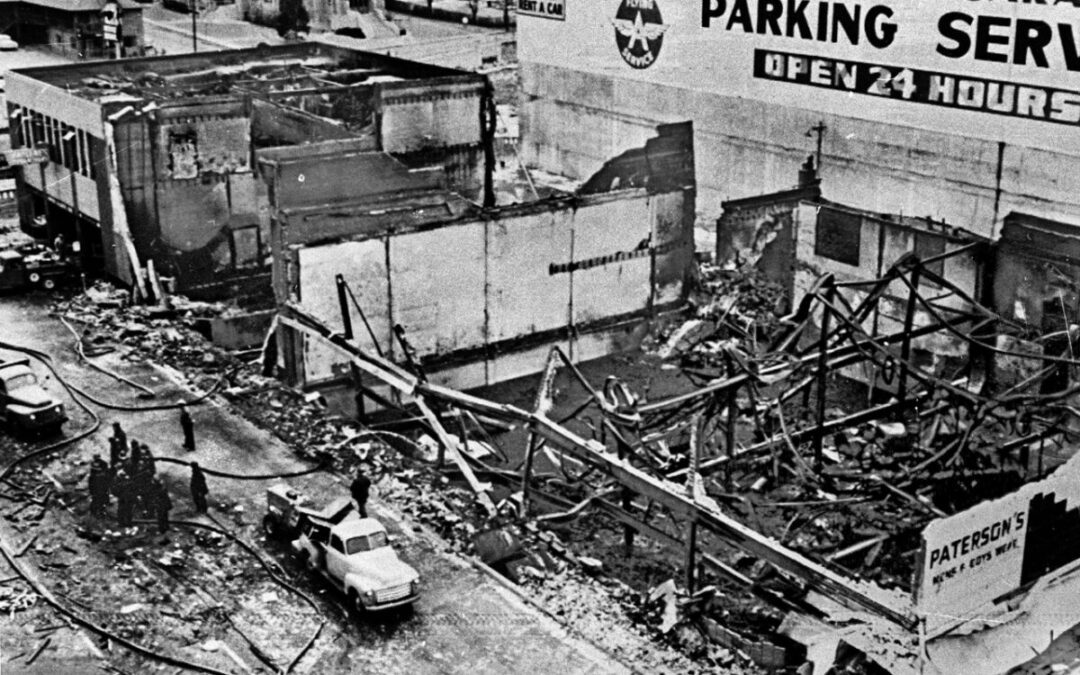
Feb. 5, 1957: Gas explosion rocks downtown Reno, killing 2
RGJ archives Two gas-fueled explosions, 30 seconds apart, ripped through downtown Reno on Feb. 5, 1957, killing two people and injuring dozens. Both...
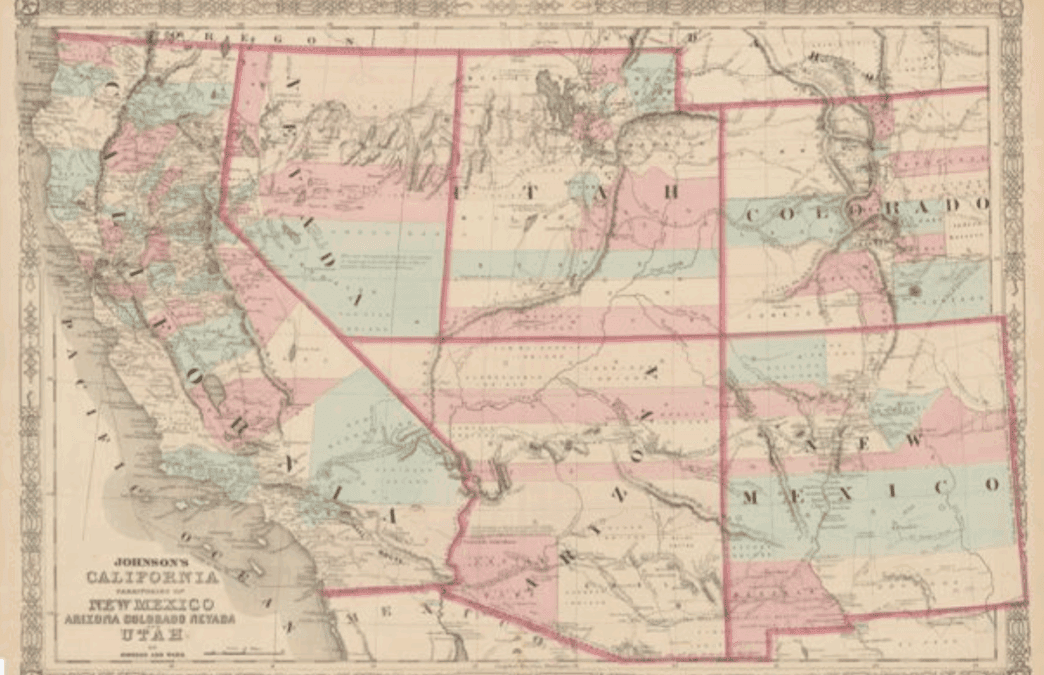
How Nevada waited a century to officially add Las Vegas
By Brett McGinness, Reno Gazette Journal Since 1867, Nevada's de facto borders have been irregular polygon-ish shape we all know today —...
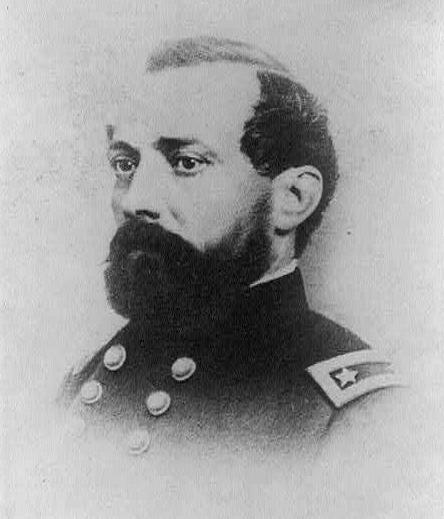
12 fascinating facts about Reno’s namesake
Jesse Lee Reno was shot in the chest and killed. Find out why, plus learn 11 other facts about Reno, Nevada’s storied namesake. Reno—widely known as...
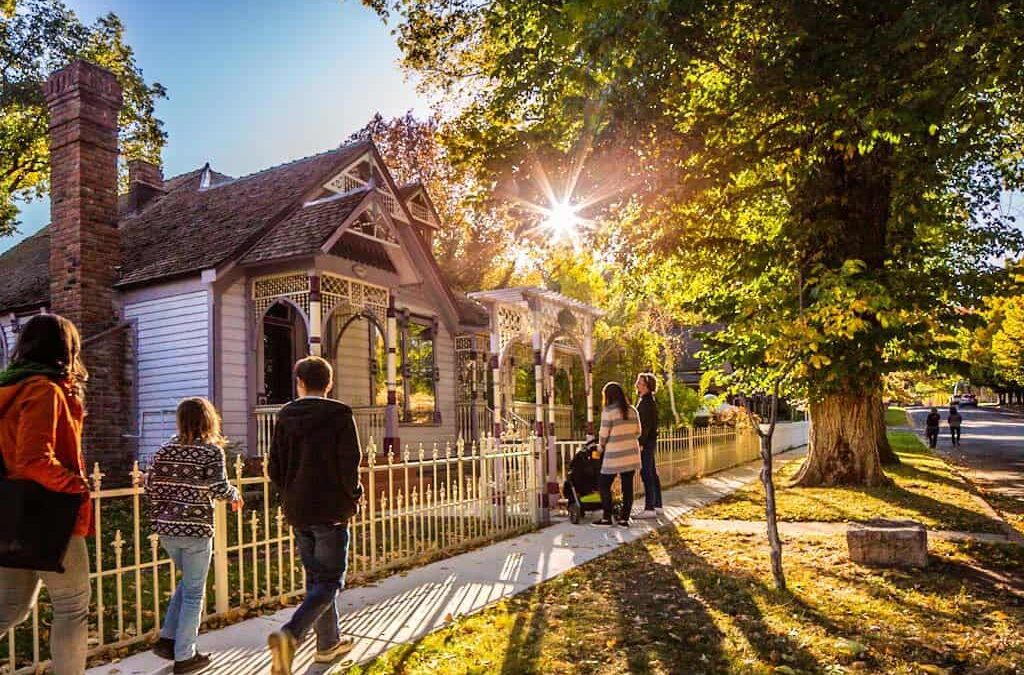
Walk your way through Carson City’s fascinating past on the Kit Carson Trail
With historic buildings, Victorian architecture, and the former U.S. Mint, the 2.5-mile Kit Carson Trail is a self-guided trip back in time. Named...

8 creepy facts about Nevada that textbooks leave out
From paranormal sightings to barren highways and a centuries-old curse, there are some wild facts about Nevada. Check out eight of the creepiest...
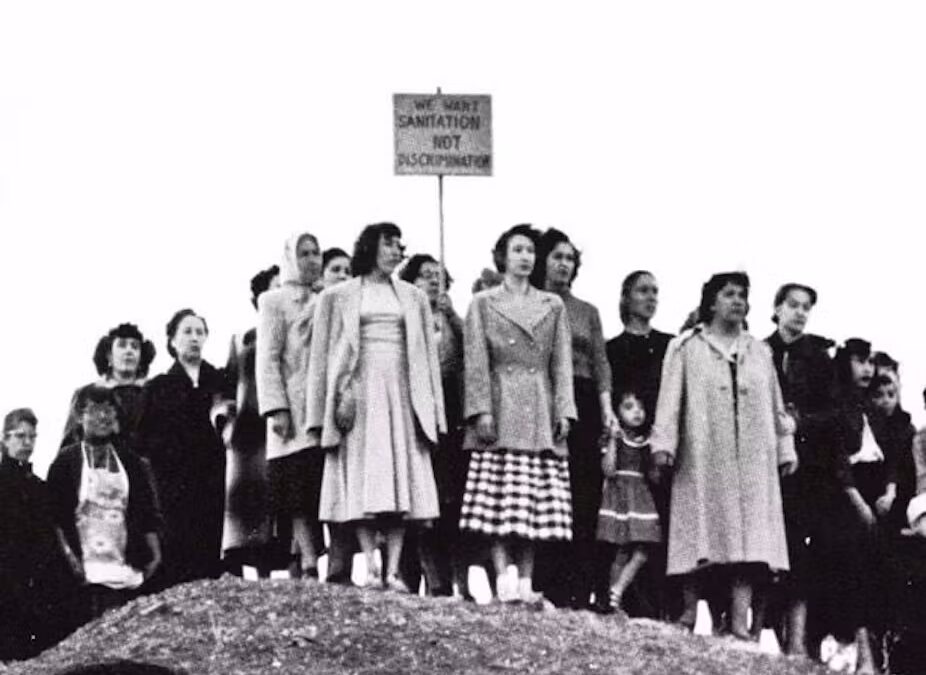
5 unsung films that dramatize America’s rich labor history
By Peter Dreier, Occidental College The U.S. is in the midst of a new upsurge of union organizing. Is a Hollywood drama about angry Starbucks...