Will eye / Shutterstock
Nevada households are likely to face higher electric bills this summer.
A new report from the National Energy Assistance Directors Association projects average costs will be the highest they’ve been in more than a decade.
In Nevada, the average summer electric bill (June through September) is projected to reach $740 per month, up 5.9 percent from $699 last year. Nationally, bills are expected to average $784, a 6.2 percent increase and the highest since 2014, when the average was $476, according to NEADA.
Why are electricity costs going up in Nevada?
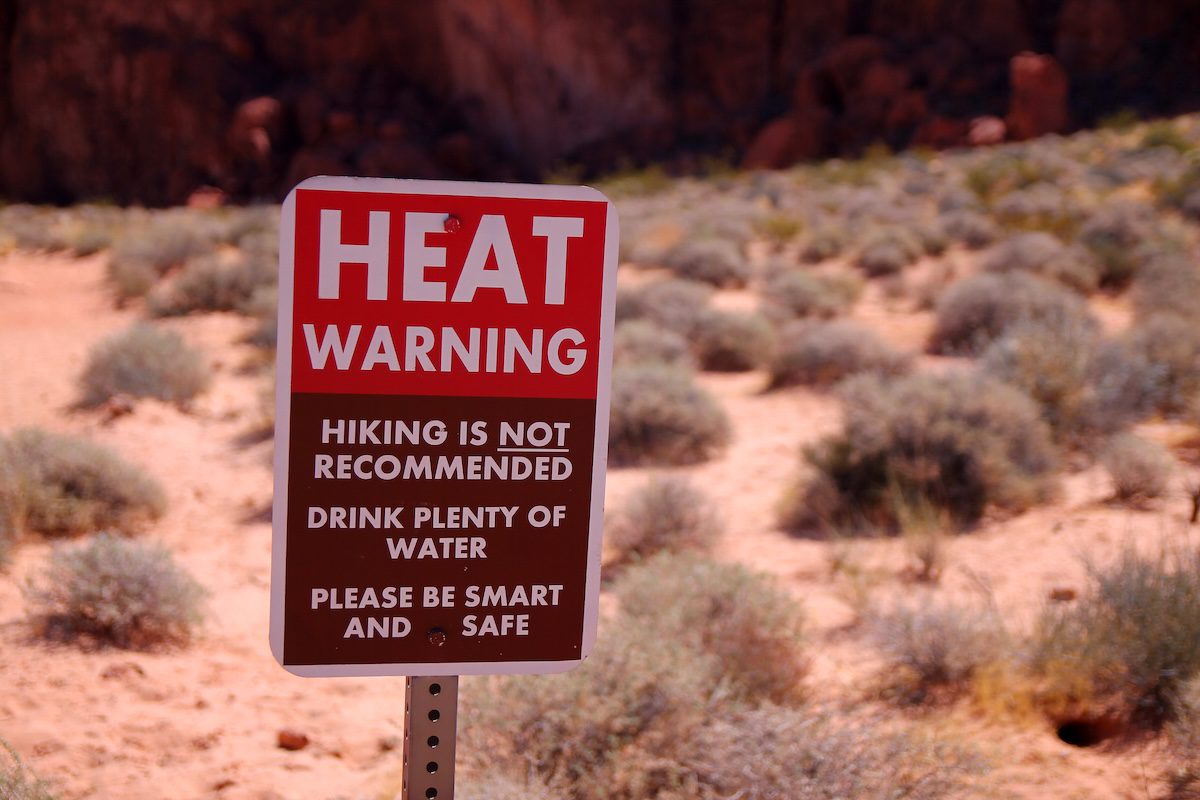
Two main factors are driving the increase: rising electricity prices and higher temperatures that are increasing demand for air conditioning, NEADA said.
NEADA attributes the long-term rise in temperatures to climate change.
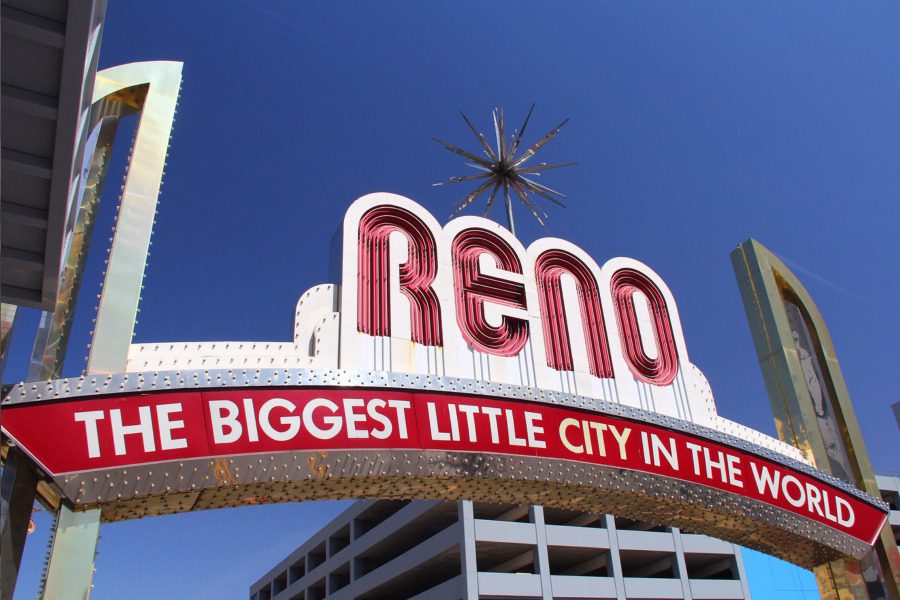
In April 2024, Climate Central reported that Reno saw the largest increase in average annual temperature among U.S. cities, climbing 7.6 degrees from 1970 to 2023.
While electricity prices are projected to rise in Nevada, the Pacific region, which includes California communities around Lake Tahoe, is expected to see a decrease, with average bills dropping from $696 to $663.
Who will be most affected by rising electricity costs in Nevada?
Low-income households are projected to feel the biggest burden. On average, they spend 8.6% of their income on energy, compared to 3% for higher-income households.
Nearly 37% of low- and moderate-income households reported being unable to pay at least one energy bill between April 2023 and April 2024, according to Census survey data.
What federal support is available?
Federal funding for the Low Income Home Energy Assistance Program (LIHEAP) has dropped from $6.1 billion in 2023 to $4.1 billion for 2025.
Only 26 states and the District of Columbia are offering summer cooling assistance this year. NEADA is asking Congress to boost the program’s funding to $7 billion for fiscal year 2026, including $1 billion in contingency funds.
Nevada received its full allocation of federal utility assistance this year, according to the Nevada Current. The final portion of LIHEAP funds was delayed but released in May following pressure from members of Congress. The program’s future remains uncertain, as it was included in a recent federal budget proposal recommending cuts to dozens of programs.
Seventeen states including Nevada, as well as Washington, D.C., have protections in place that limit utility shutoffs during hot summer months. Thirty-three states do not.
Nevada has some shutoff protections during extreme heat, including temperature-based rules for vulnerable customers.
This article originally appeared on Reno Gazette Journal: Nevada summer electric bills expected to rise as US cooling costs set to reach new highs
Reporting by Jeffrey Meehan, Reno Gazette Journal / Reno Gazette Journal
USA TODAY Network via Reuters Connect

Nevada named among the worst places to drive in 2026
By Carly Sauvageau, Reno Gazette Journal Whether you’re trying to head to the North Valleys after 5 p.m. or make it out to USA Parkway during a...
En Nevada, nueva ley permite seguros de vivienda sin cobertura contra incendios forestales
Este artículo fue publicado originalmente en inglés, escrito por Naoka Foreman, y traducido y adaptado al español por el equipo editorial de The...
Elon Musk’s Boring Company evades millions in Nevada safety fines
Democratic lawmakers want the Clark County District Attorney's Office to investigate Lombardo’s alleged interference in health, safety, and...
Oppose ICE? Here’s how you can take action
The moment we’re in The US Senate is currently deciding whether to approve new funding for the Department of Homeland Security (DHS), including...

Venezolanos en Nevada tienen posturas divididas sobre la salida de Maduro
El texto fue escrito originalmente en inglés por Naoka Foreman y publicado en The Nevadan. La versión en español fue editada, traducida y adaptada...

De incendios domésticos a incendios forestales: cómo protegerse en Nevada
Recibe noticias en español directo a tu correo electrónico (email), suscríbete a Vegas Somos. Los incendios, tanto en viviendas como en zonas...