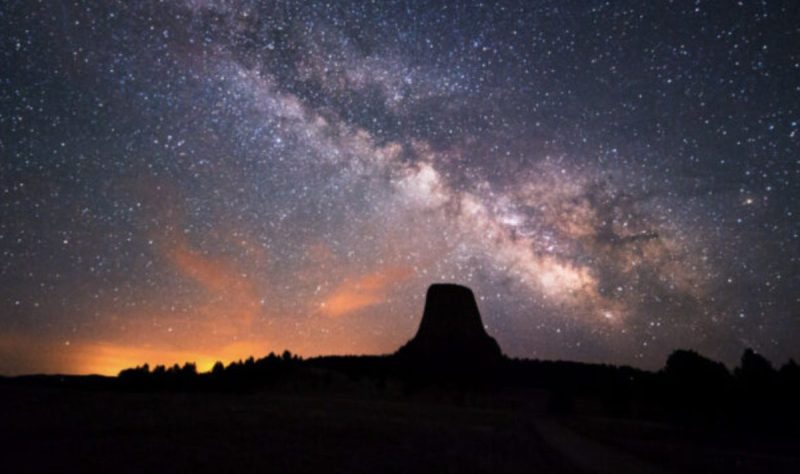
Discover Nevada’s best spots to witness the dazzling Eta Aquarids meteor shower this May. Experience cosmic wonders under legendary dark skies.
Nevada’s vast desert landscapes and minimal light pollution make it one of the premier destinations in America for stargazing. This May, the Silver State will offer front-row seats to one of the year’s most spectacular celestial events—the Eta Aquarids meteor shower. Originating from the famous Halley’s Comet, this cosmic light show promises to dazzle viewers with swift, glowing meteors streaking across the night sky.
When to watch
The 2025 Eta Aquarids meteor shower will peak on the nights of May 5-6, with the best viewing time being the pre-dawn hours of May 5. While the meteor shower is active from April 19 through May 28, focusing your viewing plans around the peak dates will maximize your chances of seeing these celestial visitors.
For Nevada viewers, the show becomes most impressive in those quiet hours before sunrise when the radiant—the point in the sky where the meteors appear to originate—climbs higher above the horizon.
What to expect
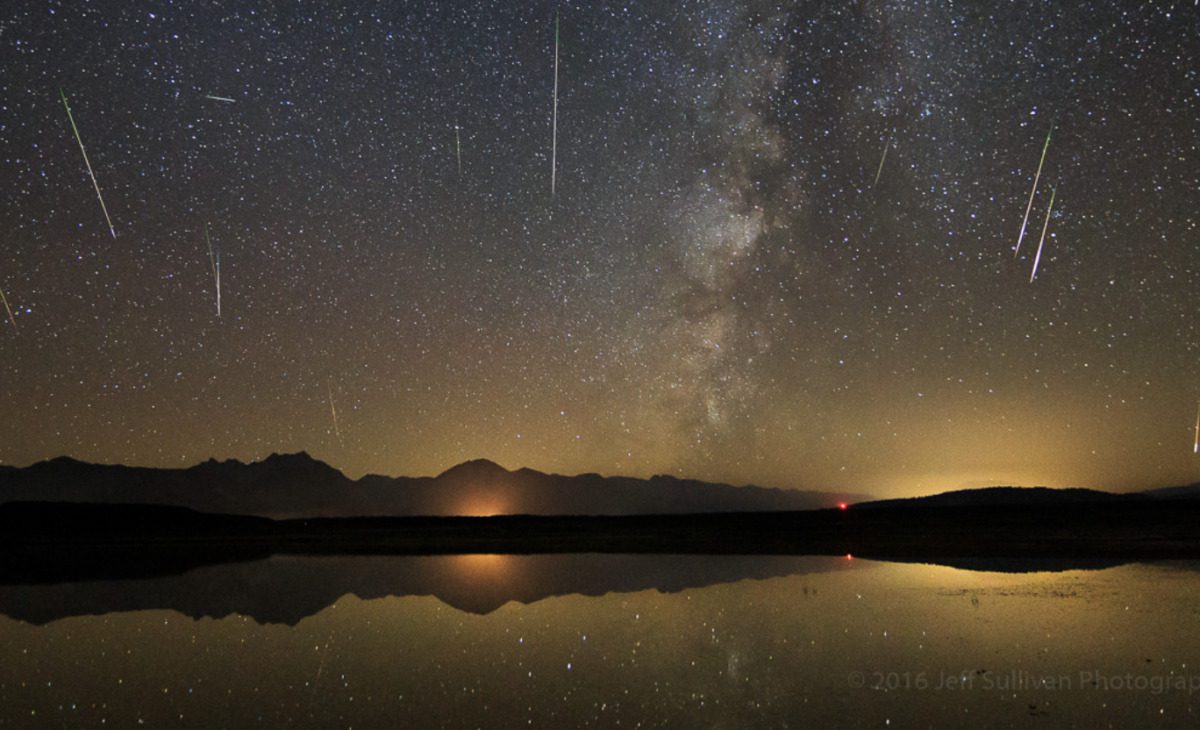
The Eta Aquarids are renowned for their impressive speed, zooming into Earth’s atmosphere at about 40.7 miles per second (65.4 kilometers per second). These swift visitors often leave glowing “trains” behind them—incandescent trails of debris that can persist for several seconds or even minutes after the meteor has passed.
While observers in the Southern Hemisphere get the best views of this particular shower, Nevada’s southern latitude gives it an advantage over northern states. Under ideal conditions in dark sky locations, viewers might spot between 10 and 30 meteors per hour during the peak.
Where to watch in Nevada
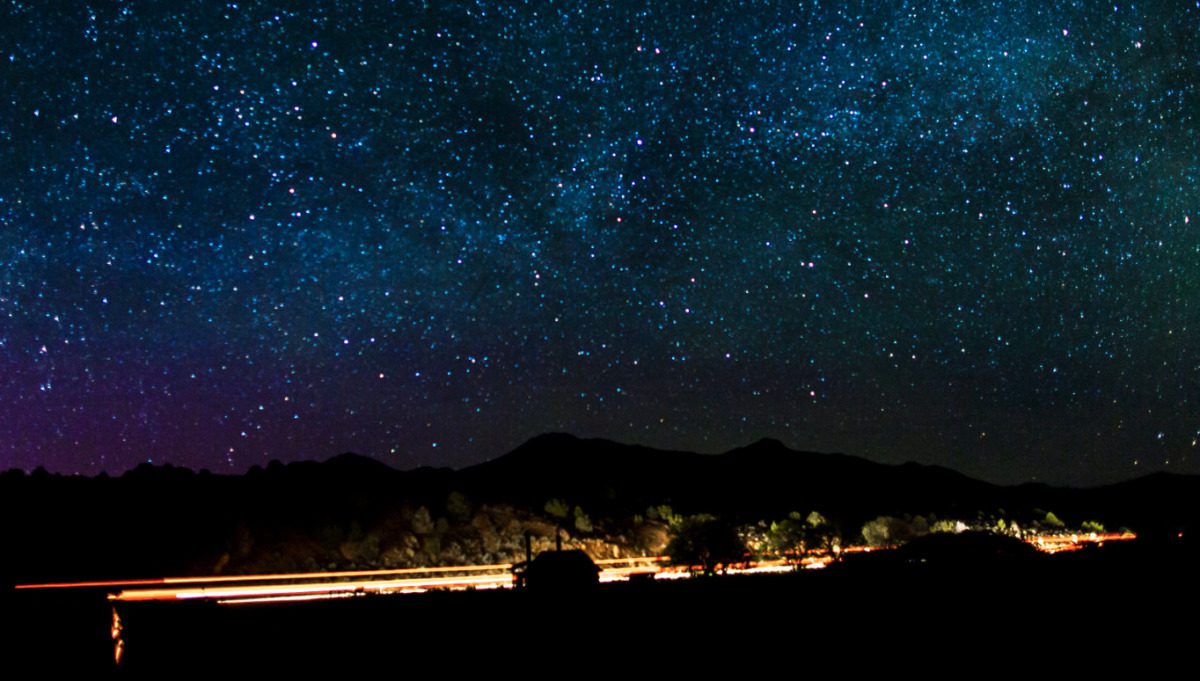
Nevada offers some of the darkest skies in the continental United States, making it ideal for meteor watching. Here are some prime locations for your Eta Aquarids adventure, per Nevada Wilderness.
Great Basin National Park
Recognized as an International Dark Sky Park, Great Basin National Park offers some of the darkest night skies in the lower 48 states. The park’s motto, “Half the Park is After Dark,” reflects its commitment to preserving pristine night viewing conditions. Located in eastern Nevada near the Utah border, the park provides exceptional meteor viewing opportunities from its high-altitude vantage points.
The Astronomy Amphitheater at Great Basin is specially designed for stargazing events, though any open area in the park will provide excellent views of the meteor shower.
Tonopah Star Trails
Tonopah has earned recognition as one of America’s premier stargazing destinations, boasting minimal light pollution and abundant dark sky viewing areas just outside town. The Clair Blackburn Memorial Stargazing Park offers concrete pads designed specifically for telescope setup, though telescopes aren’t necessary for meteor watching.
For the Eta Aquarids, consider using the Tonopah Star Trails map (available at tonopahnevada.com) to find the perfect viewing spot away from even the minimal lights of this small town.
Massacre Rim Wilderness study area
For the truly adventurous, Massacre Rim in northwestern Nevada offers “one of the darkest skies on Earth,” per the Las Vegas Sun, and it’s certified as one by its International Dark Sky Sanctuary designation. This remote location draws serious stargazers from around the world seeking pristine dark sky conditions. Be prepared for a genuine wilderness experience—a high-clearance, four-wheel-drive vehicle is recommended, and camping is the primary accommodation option.
Red Rock Canyon
For Las Vegas locals or visitors, Red Rock Canyon provides accessible dark sky viewing just minutes from the Strip. The Cottonwood Valley and Late Night trailheads, located on State Route 160 a few miles west of the SR 159 & SR 160 intersection, offer huge empty areas perfect for meteor watching.
Gold Butte National Monument
About three hours from Las Vegas, Gold Butte National Monument offers exceptional dark skies with minimal impact from light pollution. The considerable distance from populated areas makes this a perfect stargazing site in Southern Nevada.
This article first appeared on Good Info News Wire and is republished here under a Creative Commons license.